How to Get Your Restaurant Found on Google with SEO
This article explains how restaurant SEO works through local SEO, a complete Google Business Profile, consistent reviews, and a website with readable business information. It covers the key ranking factors, realistic expectations, and AI search readiness.
 Pablo
Pablo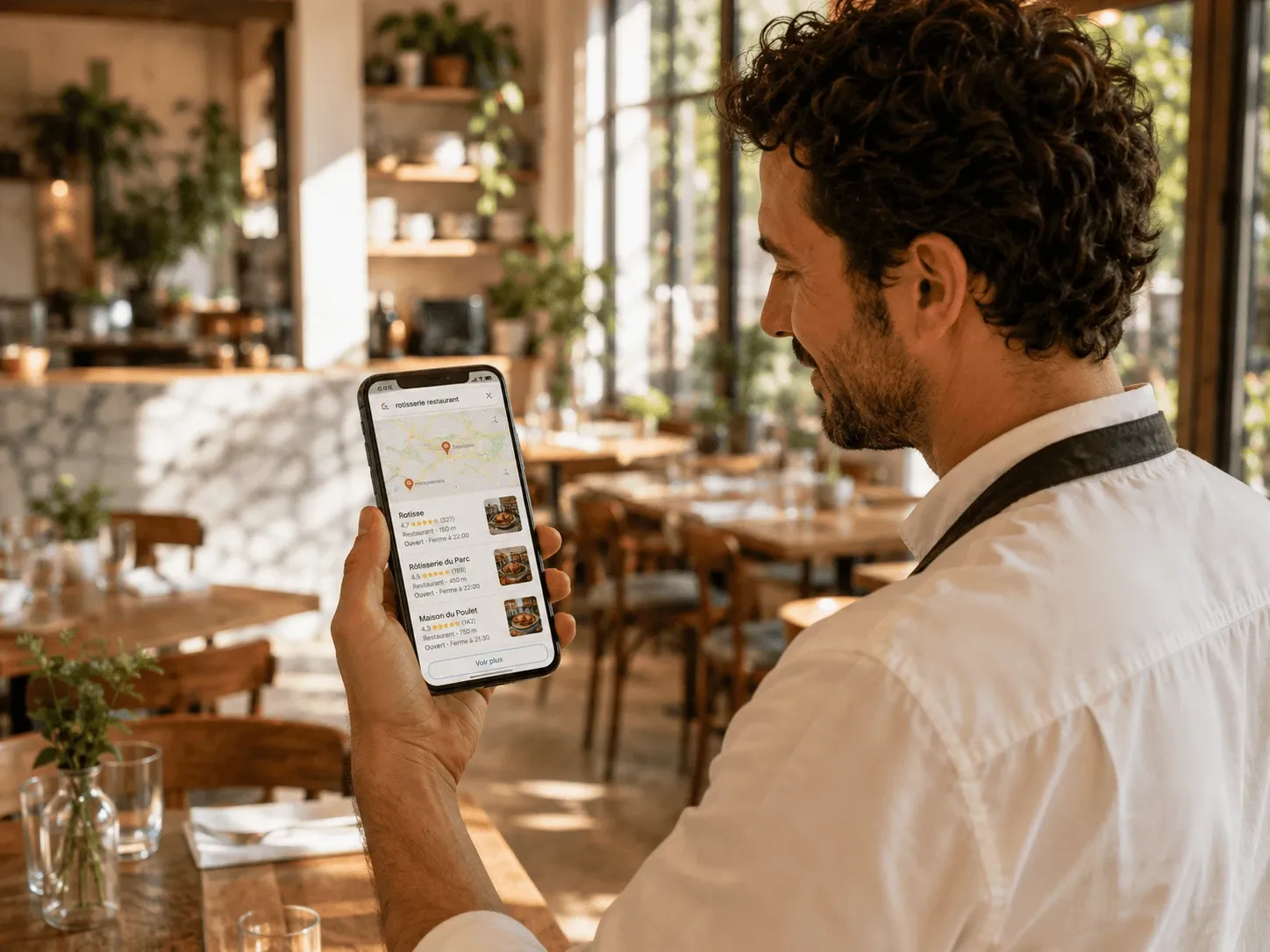
Restaurant SEO: How to Get Found on Google
Restaurant SEO is really local SEO. You’re ranking when folks in your town search by making sure your Google Business Profile is complete and consistent, getting and responding to reviews, and putting your menu, your food, and your hours into real text on your site. It is a handful of tangible levers, not a technical project.
To most restaurant owners, SEO means hiring a blogger or paying a digital agency for a lengthy, ill-defined task. For a restaurant, it is easier and more local than this. When a day’s fare right next to your restaurant opens Google and looks for your dish, you are relevant, or another restaurant in the neighbourhood is. This is the checklist in a nutshell to determine which.
Why Restaurant SEO Is Really Local SEO
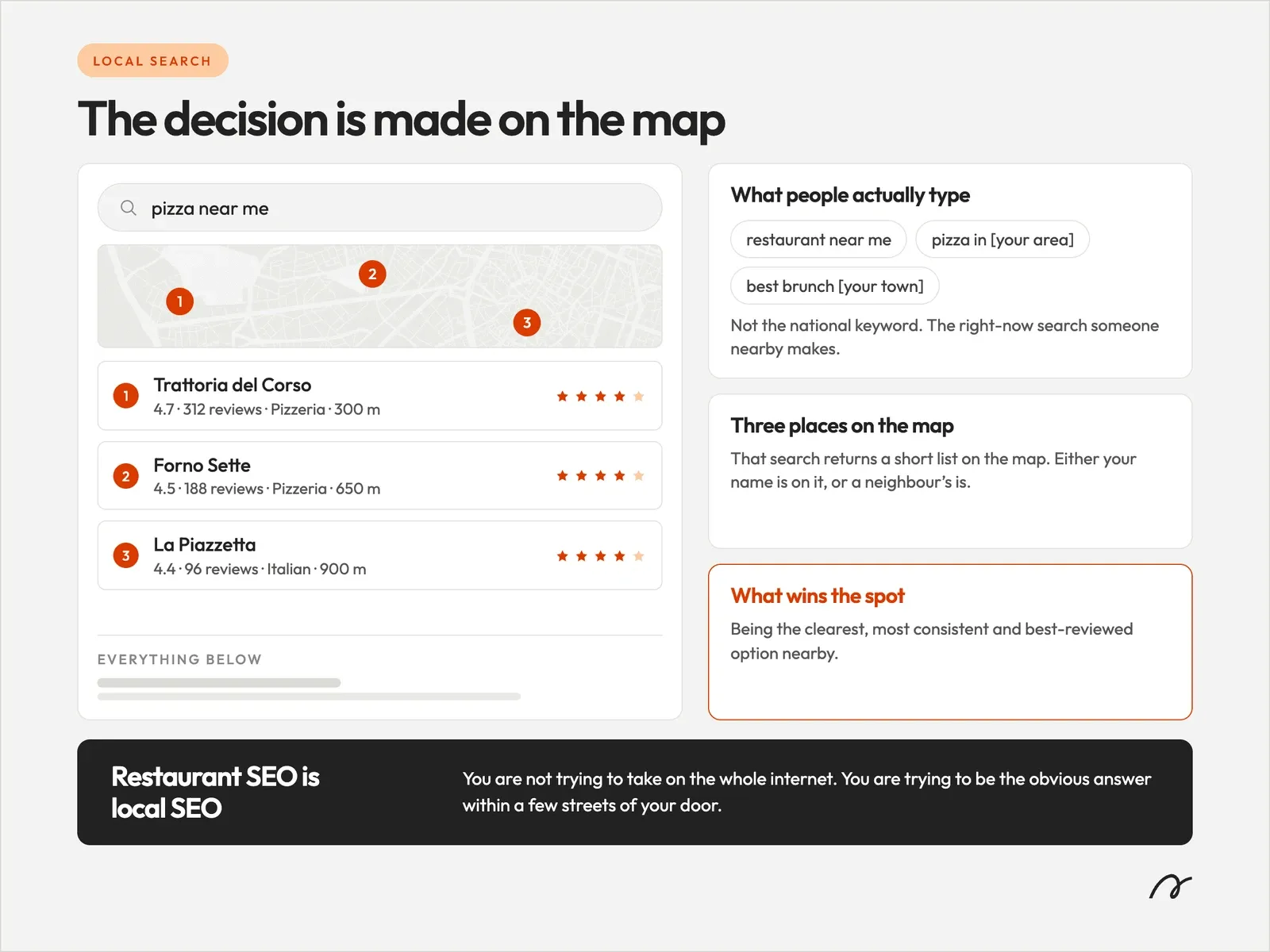
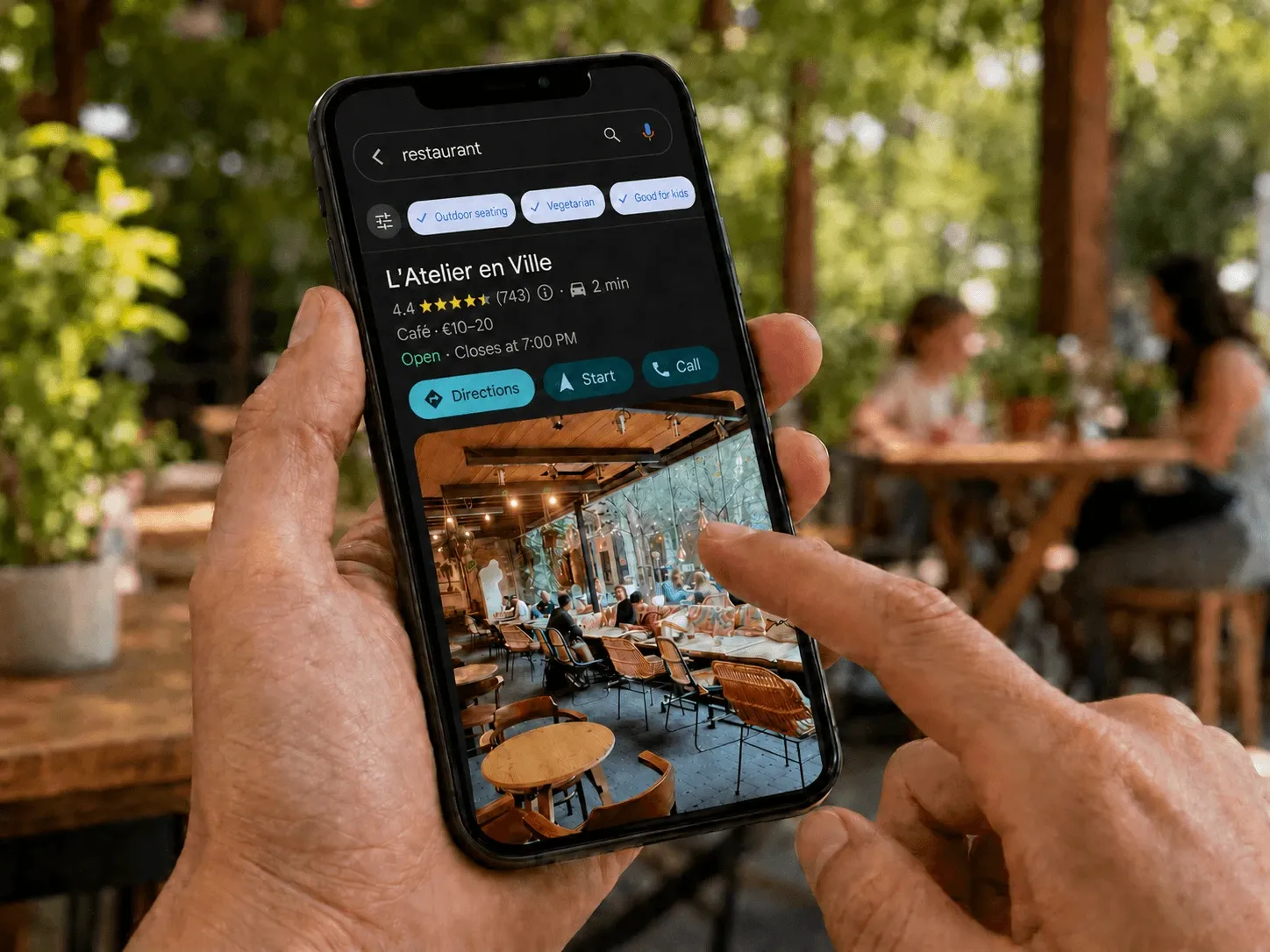
What you’re not trying for is a national keyword such as ‘restaurant’. What you’re trying for is to win the right-now search a hungry person close by makes: ‘restaurant near me’, ‘pizza in [your area]’, ‘best brunch [your town]’. That search returns a short list of places on Google Maps, and that’s where the decision is made.
So in the context of a restaurant, SEO is not trying to take down the entire internet. It is making sure your name is the most clear, consistent, and respected in your area. And that is really what local SEO means, and it is all a restaurant menu needs.
Start With Your Google Business Profile
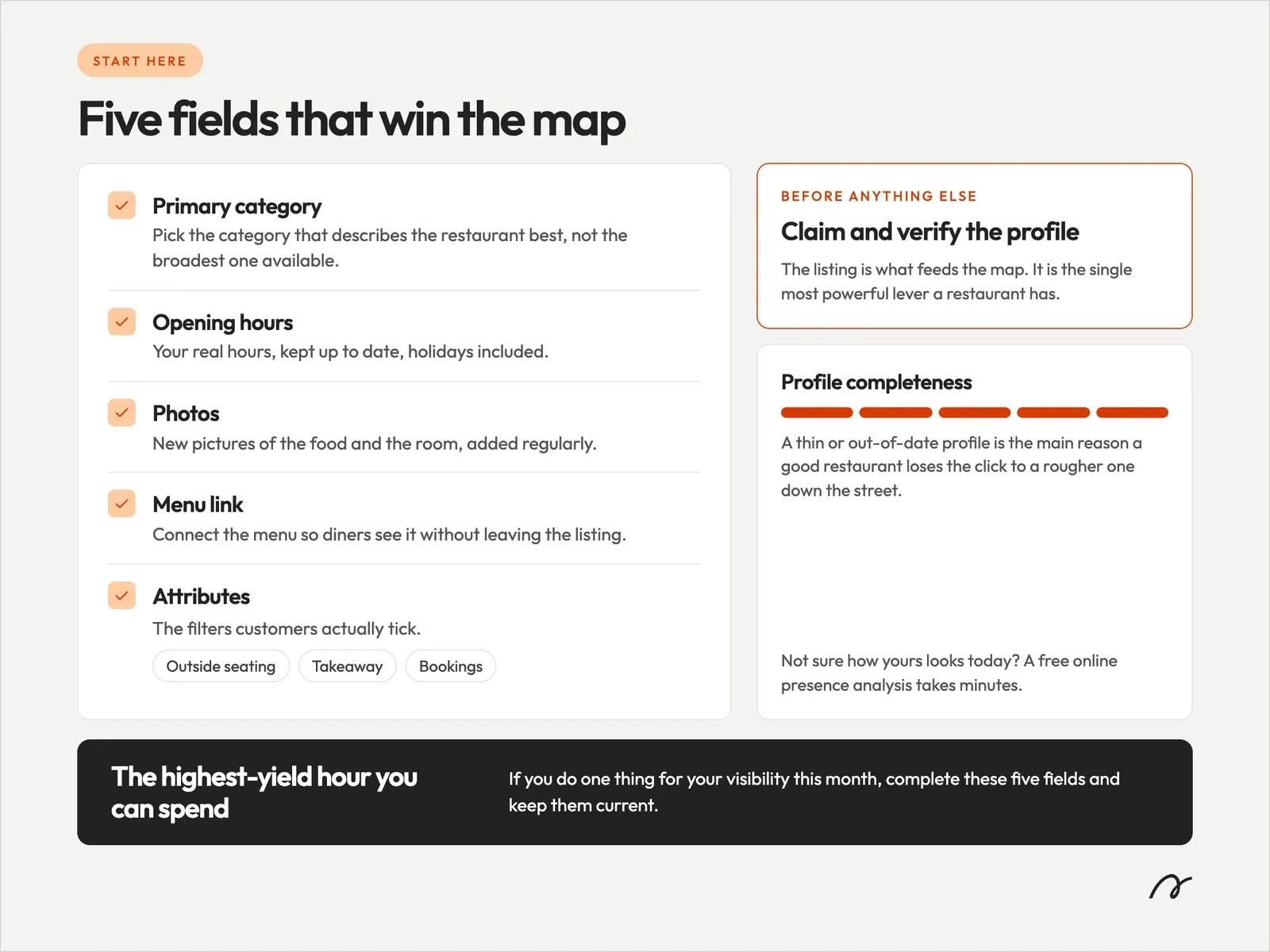
At least do this if you do anything. Your Google Business Profile is the listing that supplies the map, and it is the single most powerful lever any restaurant can pull.
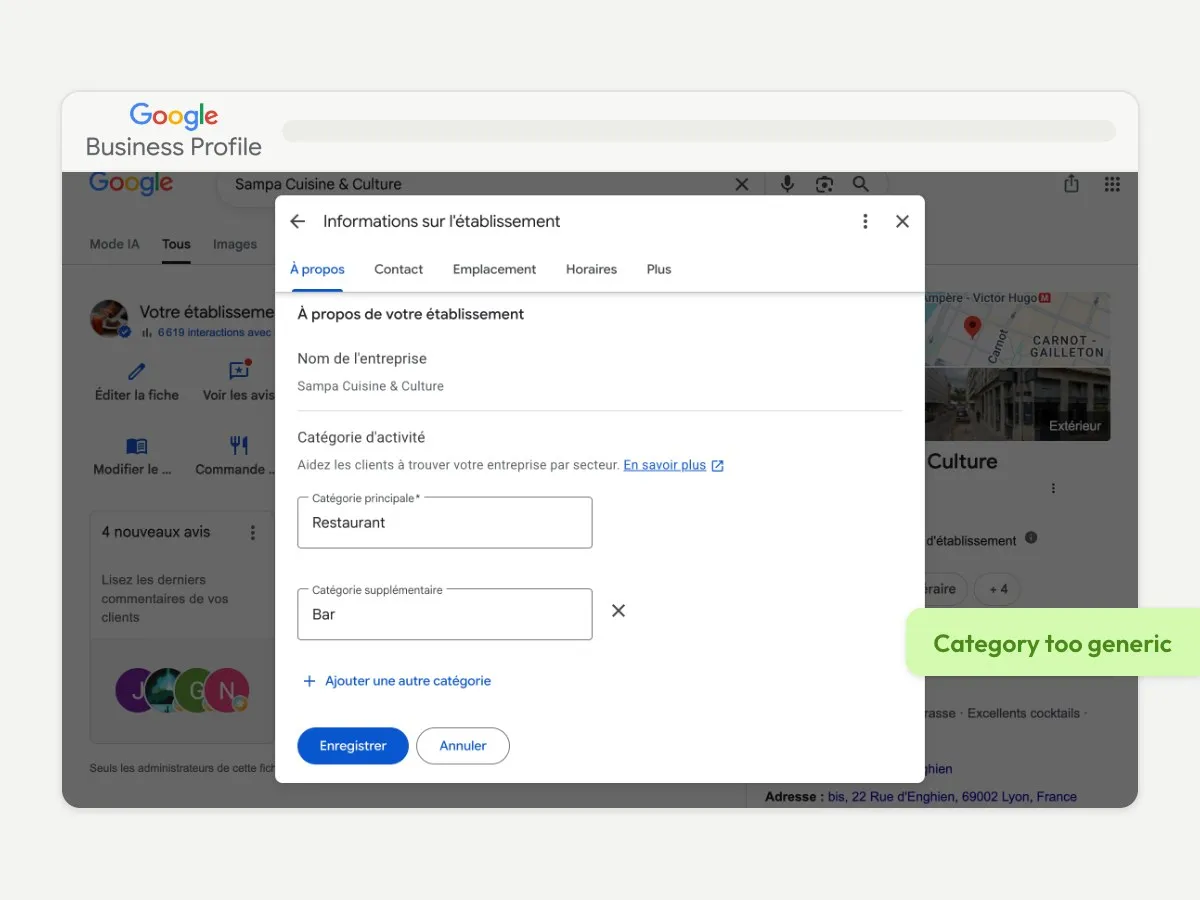
Vouch for it, then fill in all the fields. Select the best primary category. Enter your actual opening hours, keep them up-to-date, including holidays.
Upload new images of your food and room.
Connect your menu. Complete the attributes which customers select, such as outside seating, takeaway, bookings.
A poor or obsolete profile is the leading cause of an excellent establishment losing the breadcrumb to a rougher. An active, complete, current profile is the most high-yield hour you could spend. Not sure how yours looks today? Give free Online Presence Analysis a shot in a matter of minutes.
Get Reviews, and Answer Them
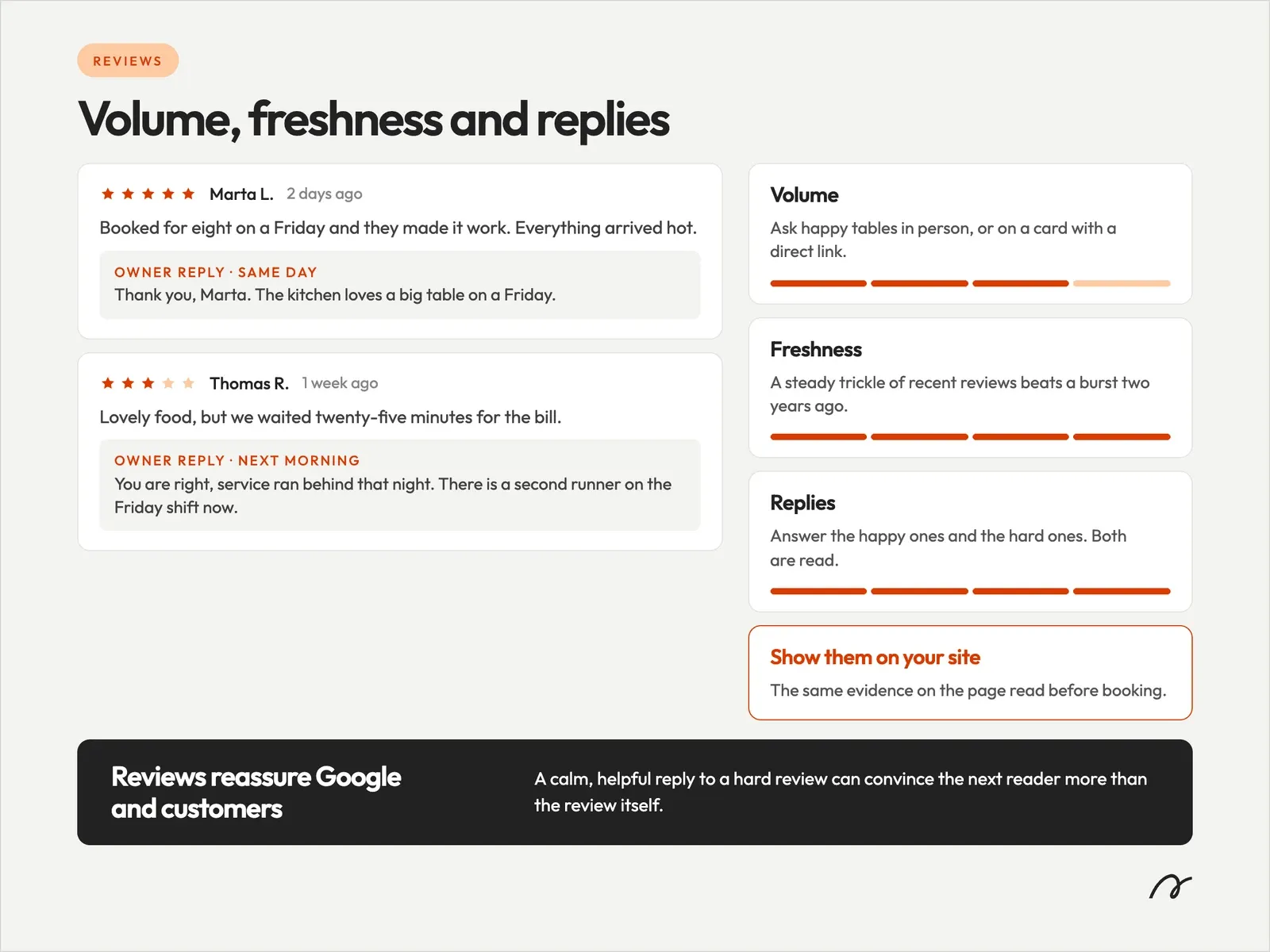
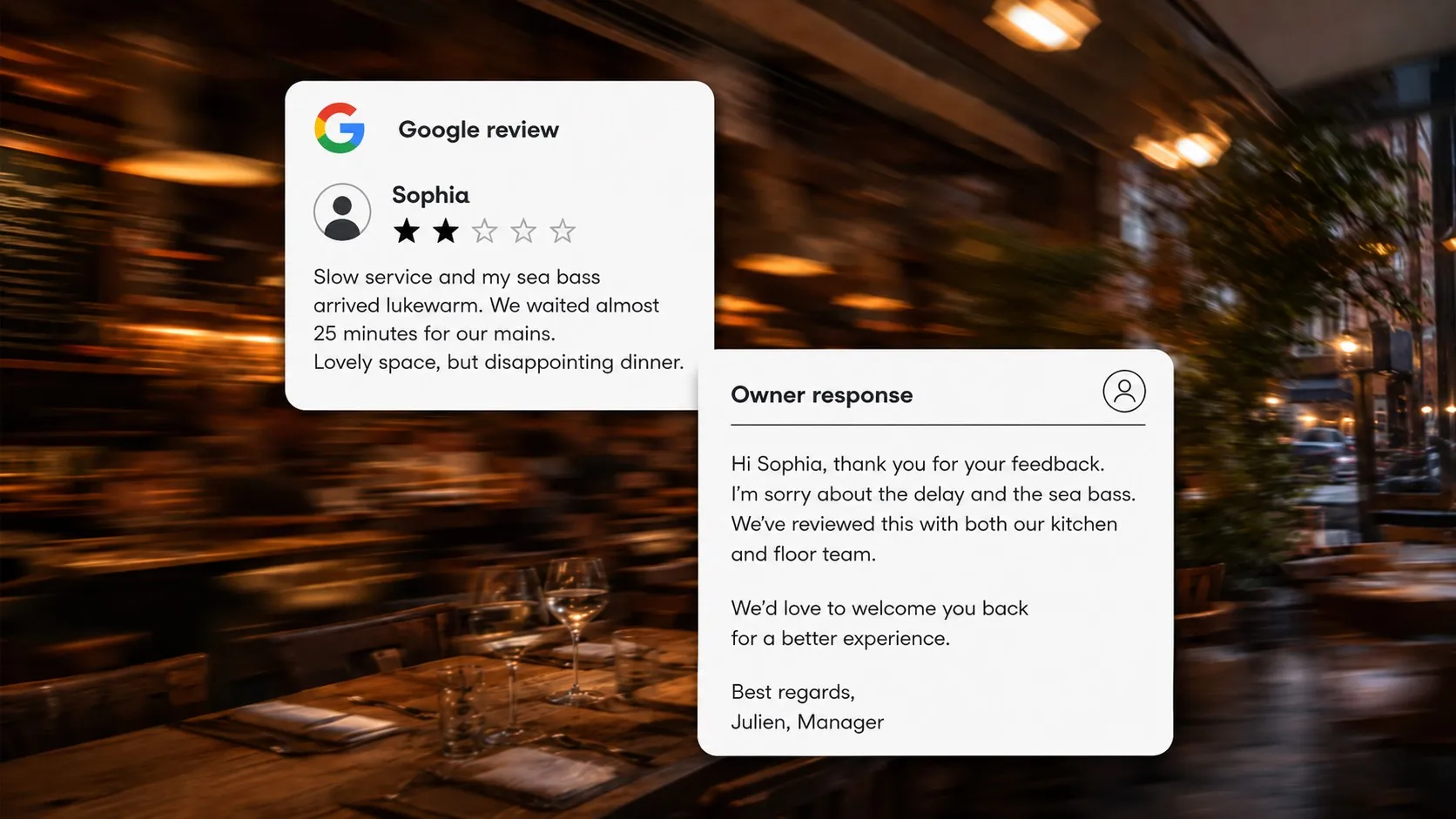
Reviews fulfil two roles-they reassure Google that you’re authentic, open and trustworthy, and they do the same thing for customers. This signals work the same way in both ranking and trust.
Three criteria that count: volume, freshness, reply. Get your happy tables to leave a review in person or on a little card with a direct link. Always reply to the happy ones and the hards. A cool, helpful reply to a hard review may convince the next reader more than the review.
Displaying those reviews on your own website via the Google Reviews integration completes the circle: the same evidence then appears on the page a customer reads before booking.
Make Your Website Readable to Google
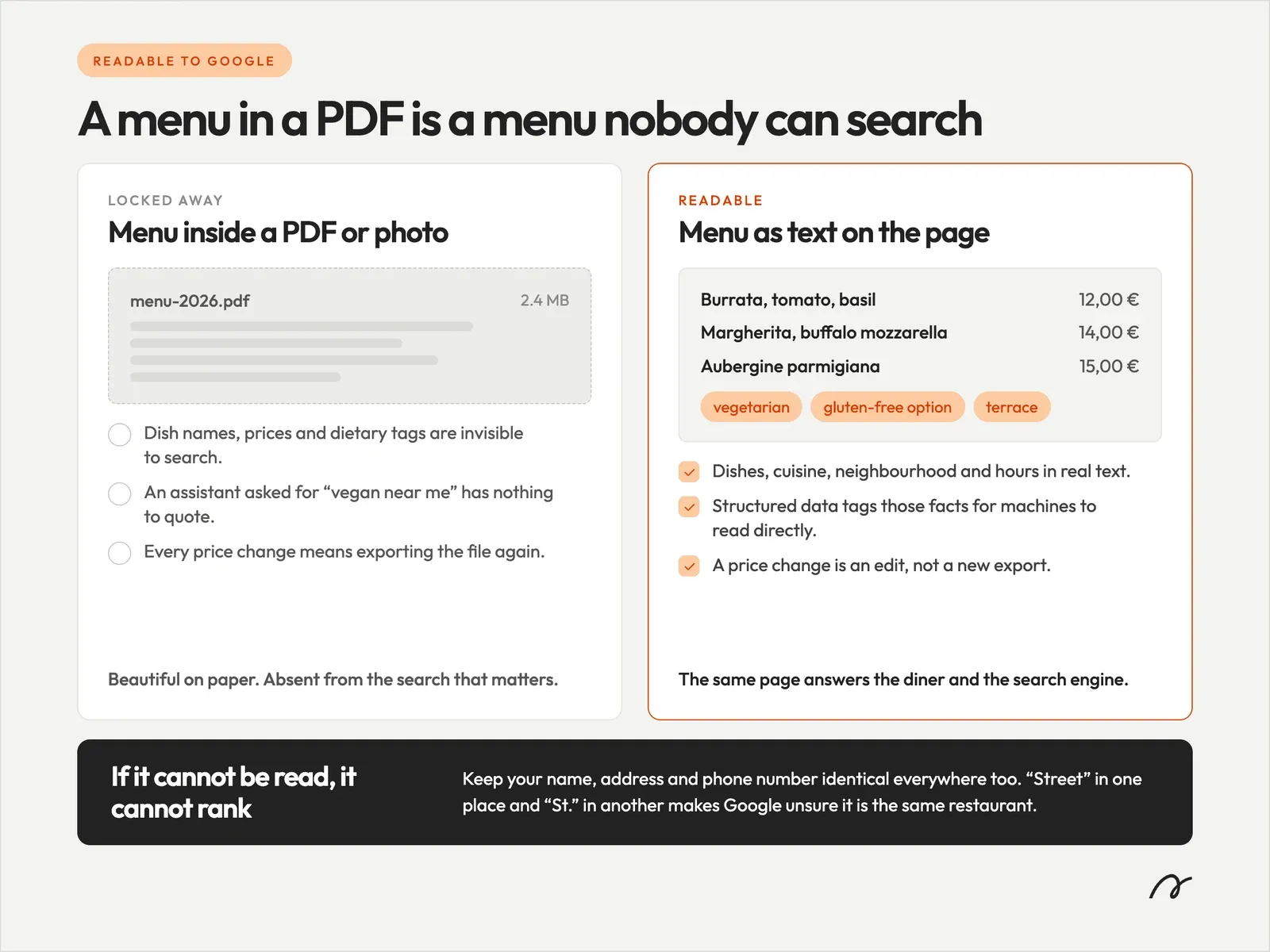
Your profile scores the top spot. Your website provides the answers to the broader questions, so that Google and customers can verify the information. Only useful if the machine can actually read it.
Put Your Menu, Cuisine and Hours in Real Text
A menu that exists solely within a photo or a PDF file is z invisible to the search engine. Make sure your gats, your food, your neighbourhood, and your hours are all real text on the page. Using structured data (schema) is useful here as well because it is essentially tagging those facts in a way that computers can interpret directly. This is also why a restaurant website is less effective as an image box than text readable from the beginning.
Keep Your Name, Address and Phone Identical Everywhere
Name, address and phone number should be consistent between your website, your listing on Google and all the directories and booking platforms that record your details. Having ‘Street’ listed somewhere and ‘St.’ somewhere else makes Google unsure if it’s the same restaurant, and indecision equals less visibility.
Answer What Diners Search: Vegan, Groups, Terrace, Parking
People will come to a website searching for information. Do you have gluten-free? Do you seat large parties?
Do you take reservations, is there a non-smoking section, is there parking?
If your website states these in clear English, you will win the business. If it doesn’t, the businesses that do will.
Does SEO Still Matter If Diners Use ChatGPT?
Yes, and there is no need to make a conscious choice. The same absolute, unwavering data that makes your business visible on Google is what the AI assistant polls into when someone asks ChatGPT “where should I get dinner?” Do it the same way once, and you have both searched. If AI search experience is your focus, here is the follow-up on why most restaurants are invisible to ChatGPT
How Long Does Restaurant SEO Take?
Truthfully, weeks to even months-not days. Refreshing your profile can appear in days. Reviews and consistency build over time, and the effect magnifies the longer you maintain it. If someone says you will be on top of Google in a week, they’re full of it.
The positive aspect is that the levers are robust and stable here: once you master them and keep them optimised, your visibility remains. When the weak link is the site itself, work out what a restaurant website costs and plan your investment accordingly.
Conclusion
Interested in how your restaurant ranks in Google today? Do a complimentary Online Presence Analysis where we review your listing, search visibility, and reviews–then tell you what to address first.
Frequently Asked Questions
What is the most important thing for restaurant SEO?
Your Google Business Profile. It is more effective if your Business Profile is fully, correctly, and has been verified.
However... Do I really need to bother creating a website now?
Yes. In this case, the listing wins the map, and the website is to answer the more detailed questions and is where reviews, menu, and bookings are live as human-readable text.
How do I rank for "restaurant near me"?
You can not target the phrase directly. You earn it by being complete and consistent at the local level: your business, your reviews, your address, and an easily read site.
How long until I see results?
Profile changes can be seen in weeks; the rest builds up over the months. Any honest guide doesn't promise ranking results the next day.
Does restaurant SEO still matter with AI search?
Yes, and it's the same information across the board. The clear, concise, consistent info that gets you ranked in Google is also the info AI assistants pull up when they suggest a restaurant.